Built for families & care teams · Private, encrypted, and consent-first
Sundowning de-escalation · Dementia & Alzheimer's

A familiar voice that
de-escalates sundowning.

Hamton helps reduce sundowning events. The moment agitation begins, alert Hamton — and your loved one will receive a call from a voice they trust, using proven de-escalation methods to calm them in minutes, not hours.

HIPAA-aligned safeguards Recognized de-escalation methods
Recognition calms
Settled in < 8 min
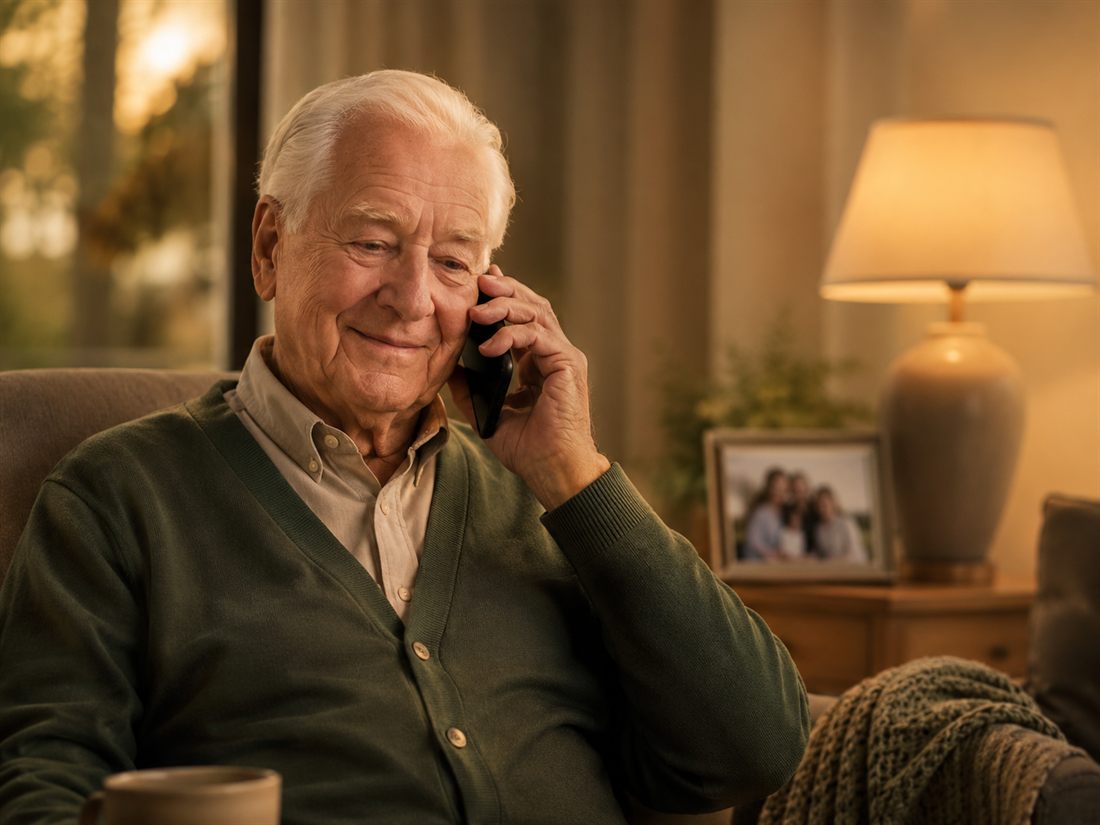
An older man at home, smiling warmly while talking on the phone
M
Margaret · Daughter
On call · de-escalating
Now talking about
The lake house & the green canoe
01:24
Encrypted Clinically informed methods
Trusted by care teams & families
Your Logo Your Logo Your Logo Your Logo Your Logo
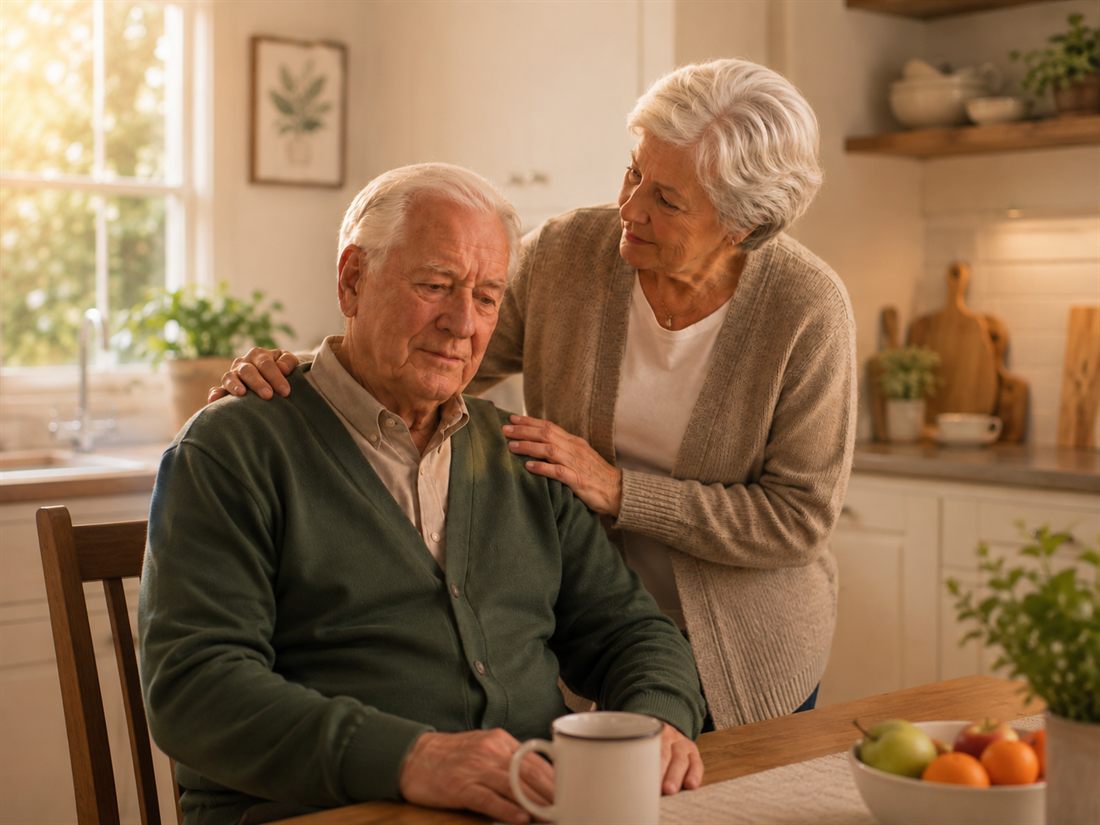
A woman gently comforting her husband at the kitchen table, her hand on his shoulder
The hardest hour

As the light fades, so does their sense of where, and who, they are.

The confusion sets in. The agitation builds. They want to leave. They may not recognize the room, or you.

This is sundowning, one of the most common and most exhausting parts of dementia care. It arrives in the late afternoon and evening, right when caregivers have the least energy left to manage it.

Roughly 20 to 45 percent of people with Alzheimer's experience it, and pooled research puts the figure near half of all dementia patients. It is also a leading reason families move a loved one into care before they are ready.

Families don't need another pamphlet of tips. They need sundowning help that works in the moment it's happening.

How it works

Four simple steps to de-escalate sundowning

Record the voices and stories that matter. When an episode starts, Hamton uses them to bring your loved one back to calm.

1

Record memories

Family members speak into the app. A few minutes is enough to begin, and you can add more anytime.

2

Get phone number

Hamton builds a secure, recognizable voice profile and gives you a dedicated number to reach it.

3

Call when it starts

The moment sundowning begins, call the number. Your loved one hears a voice they know and trust.

4

De-escalate

The voice uses validation and gentle redirection, talking through familiar memories until the episode passes.

Our approach

Sundowning de-escalation, grounded in methods professionals already use

Hamton doesn't improvise. Every conversation draws on recognized, non-pharmacological techniques for calming sundowning agitation in dementia.

Validation, not correction

It meets your loved one in their reality instead of arguing with it, which research links to reduced distress.

Reminiscence & redirection

Familiar memories gently shift attention away from the trigger and toward something comforting.

A voice they recognize

Recognition supports regulation. A familiar voice reaches someone in distress faster than a stranger's.

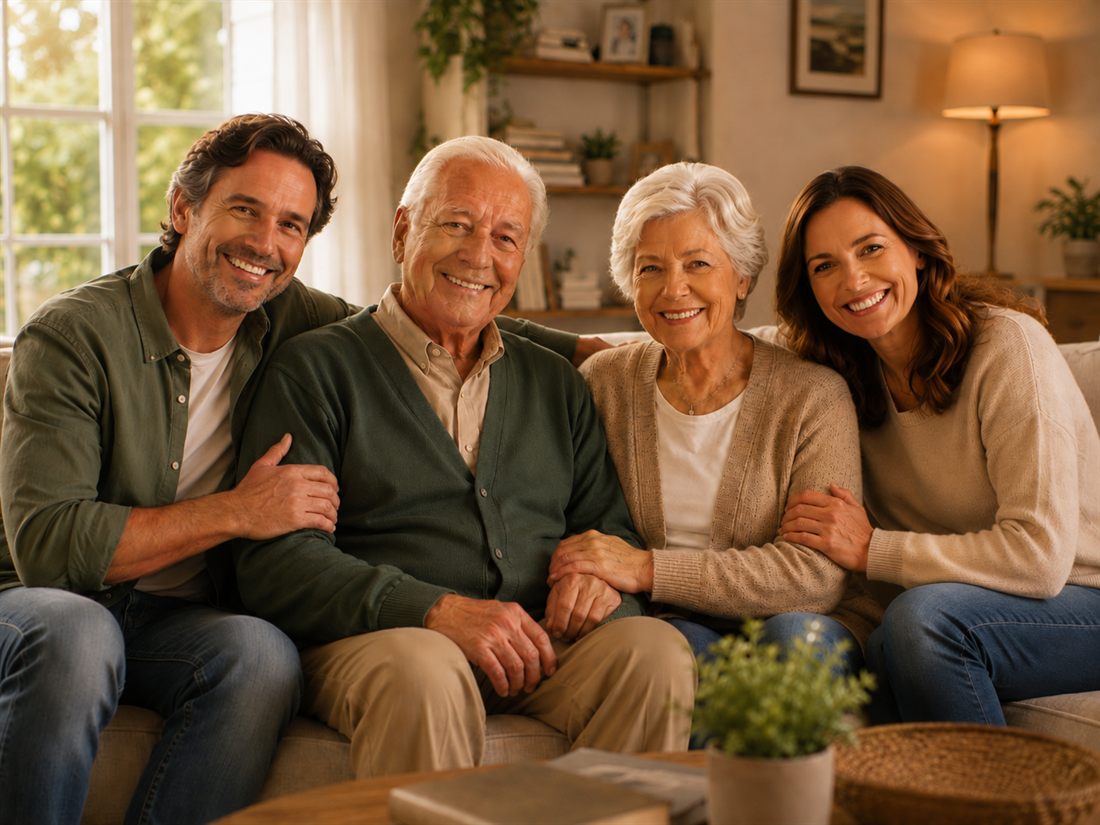
Three generations of a family sitting close together on a couch, smiling
Why families use it

Built for the sundowning hour

Covers the gap

Episodes often hit while you're mid-task. Hamton holds the line until you can step in yourself.

A voice they know

A familiar voice cuts through confusion faster and more gently than an unfamiliar one ever could.

Consistent methods

Recognized sundowning de-escalation techniques, applied calmly and the same way every single time.

Their stories, kept

Every memory you record is preserved, becoming something your family holds onto for good.

Less caregiver burnout

Families call sundowning the most distressing part of caregiving. Hamton shares some of that load.

Ready fast

Start with one voice and a handful of memories. No weeks of setup before it can help you.

The scale of it

Sundowning is widespread — and under-supported

This is not a niche issue. It is one of the most common and least supported moments in all of dementia care.

7M+
Americans living with Alzheimer's, a record high
Alzheimer's Association, 2025
~50%
of dementia patients experience sundowning
Pooled review, 2022
13M
family caregivers providing unpaid care
Alzheimer's Association, 2025
Safety & privacy

This touches something tender. We treat it that way.

A voice is the most personal thing a family can entrust to us. The product is built around protecting it.

Built with HIPAA-aligned safeguards
Encrypted in transit & at rest Consent-first by design We never sell your data Delete your data anytime Role-based access for care teams

"HIPAA-aligned" describes how Hamton is designed and built — it is not a statement of certification or regulatory compliance. See our security practices →

Consent first

Every voice profile requires explicit permission from the person being recorded or their authorized representative.

Private & encrypted

Memories and voice profiles are encrypted and private to your family. We never sell them or train public models on them.

A tool, not a replacement

Hamton supports your care. It does not replace medical advice, your doctor, or your presence.

Honest about what it is

Hamton is a de-escalation aid. It is not a cure, and it does not pretend to be one.

★★★★★
"The first night it worked, I sat on the kitchen floor and cried. Mom was talking to my sister's voice about their garden, and she just settled. I hadn't seen her settle in months."
Sample caregiver · Daughter, primary caregiver

Illustrative. Replace with verified, consented customer stories before launch.

Pricing

Start free. Pay when you're ready.

Build your first voice profile at no cost. You only pay when you begin using live calls.

Family

For one household.

$49/mo
  • One care recipient
  • Up to 3 voice profiles
  • Unlimited memories
  • 60 minutes of de-escalation calls / mo
Get started
Most chosen

Family Plus

For extended families and multiple caregivers.

$149/mo
  • Everything in Family
  • 180 minutes of de-escalation calls / mo
  • Shared family access
  • Unlimited voice profiles
  • Priority support
Start free

Care Facility

For memory care and assisted living.

Custom
  • Multiple residents
  • Staff dashboard
  • Volume pricing
  • Onboarding & training
Contact us
Questions

Sundowning questions, answered

What is sundowning?
Sundowning is the confusion, agitation, anxiety, and restlessness that many people with dementia or Alzheimer's experience in the late afternoon and evening. Episodes can involve pacing, suspicion, wandering, or trying to leave — and they are one of the most exhausting parts of caregiving.
How does Hamton de-escalate a sundowning episode?
You call Hamton's dedicated number the moment an episode starts. Your loved one hears a familiar, trusted voice that uses validation, reminiscence, and gentle redirection — the same non-drug techniques care professionals use — to guide them from agitation back to calm.
Is Hamton a sundowning treatment?
Hamton is a non-pharmacological de-escalation aid, not a medical treatment. It complements — never replaces — guidance from your doctor or care team. Many families use it alongside the routines and treatments their clinicians recommend.
Whose voice should we record first?
The person your loved one responds to most, often a spouse, child, or sibling. You can add more voices over time.
How many memories do we need?
Start with five to ten. More memories give the voice more to draw on, but you can begin small and build as you go.
What if they realize it isn't really that person?
The goal is comfort, not deception. In an agitated state, a familiar voice and familiar stories provide regulation regardless. Many families are open about the tool during calm periods.
Is this safe?
Hamton is a support tool. It does not replace medical care, medication management, or professional supervision. Always follow your care team's guidance.
What happens to the recordings?
They are encrypted, private to your family, and never sold. You can delete them at any time.

The sun sets every night. Be ready when it does.

Record one voice today. Add the memories that matter. The next time sundowning starts, you'll have real help on the line.

Start your free voice profile
Free to start · No card required · Cancel anytime
Start your free voice profile